-
 Steve DilworthCalm Water Stone, 2000Harris stone, glass and water4.5 x 10 x 7 cm
1 3/4 x 4 x 2 3/4 inUniqueView More Details -
Steve DilworthWave Stone, 2000Harris stone27 x 52 x 10 cm
10 5/8 x 21 1/4 x 4 inUniqueView More Details -
Steve DilworthCalm Water, 2001Wood, glass and water12 x 15 x 12 cm
4 3/4 x 5 7/8 x 4 3/4 inUniqueView More Details -
Steve DilworthShark Stone, 2001Harris stone, shark vertebrae & seal oil10 x 20 x 11.5 cm
4 x 7 7/8 x 4 1/2 inUniqueView More Details -
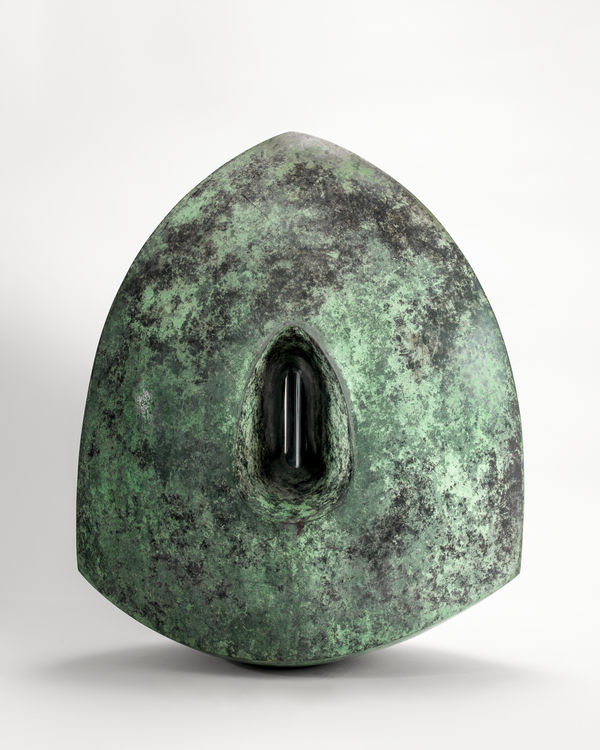
Steve DilworthMountain Air, 2001Bronze, glass & air59 x 53 x 31 cm
23 1/4 x 20 7/8 x 12 1/4 inEdition 1 of 9View More Details -
Steve DilworthThree Herons, 2003Heron, dunite, fish hooks, swivels and gold leaf70 x 65 x 65 cm
27 1/2 x 25 5/8 x 25 5/8 inUniqueView More Details -
Steve DilworthPorpoise - Evolution III, 2004/2005Bronze and sterling silver53 x 45 x 45 cm
20 7/8 x 17 3/4 x 17 3/4 inUniqueView More Details -
Steve DilworthEels and Puffin, 2006Dunite, bronze & puffin18 x 32 x 22 cm
7 1/8 x 12 5/8 x 8 5/8 inUniqueView More Details -
Steve DilworthEvolution II, 2006Bronze33 x 44 x 35 cm
13 x 17 3/8 x 13 3/4 inEdition of 5View More Details -
Steve DilworthEvolution II, 2006Bronze33 x 44 x 35 cm
13 x 17 3/8 x 13 3/4 inEdition of 5View More Details -
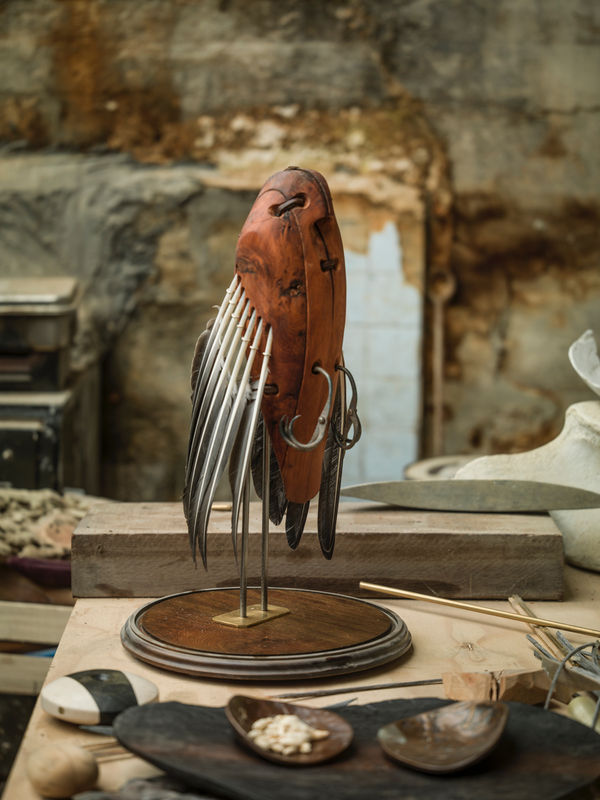
Steve DilworthThrowing Object 4, 2016Bog oak, bird and brass7 x 9 x 6 cm
2 3/4 x 3 1/2 x 2 3/8 inUniqueView More Details -
Steve DilworthLapwing, 2017Dunite, lapwing and copper wire18 x 46.5 x 17 cm
7 1/8 x 18 1/4 x 6 3/4 inUniqueView More Details -
Steve DilworthSeal Tooth Cups, 2017Bog oak, bronze and seal teeth7 x 48 x 32 cm
2 3/4 x 18 7/8 x 12 5/8 inUniqueView More Details -
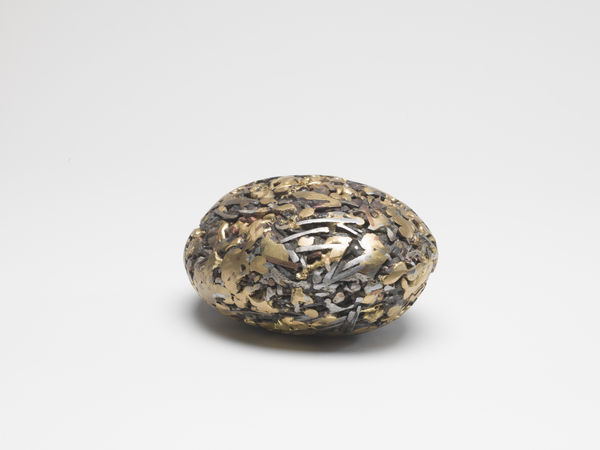
Steve DilworthRevolving Form, 2017Bronze19.5 x 21 x 21 cm
7 5/8 x 8 1/4 x 8 1/4 inEdition 6 of 9View More Details -
-
Steve DilworthGiant's Rattle, 2017Douglas fir, rope, iron and jacks70 x 68 x 68 cm
27 1/2 x 26 3/4 x 26 3/4 inUniqueView More Details -
Steve DilworthArk, 2000Bronze and nickel silver114 x 193 x 132 cm
44 7/8 x 76 x 52 inUniqueView More Details -
Steve DilworthKestrel, 2017Kestrel, wood, leather, silver and iron in glass dome65 x 32 x 32 cm
25 5/8 x 12 5/8 x 12 5/8 inUniqueView More Details -
Steve DilworthSeal Stone, 2001Stone, bone & sea oil9 x 30 x 20 cm
3 1/2 x 11 3/4 x 7 7/8 inUniqueView More Details -
Steve DilworthMultiple Carapace in Five Pieces, 2019Bronze
(Needs to be cast)Approx. 50 x 40 cm
Approx. 19 3/4 x 15 3/4 in
(can be arranged in many different ways)A/P from an edition of 8View More Details -
Steve DilworthWater Skull, 2016Bronze40 x 30 x 54 cm
15 3/4 x 11 3/4 x 21 1/4 inEdition of 3View More Details -
Steve DilworthUntitled 2, 2018Harris stone19 x 22 x 11 cm
7 1/2 x 8 5/8 x 4 3/8 inUniqueView More Details -
Steve DilworthDeep Water, 2018Harris stone, whale bone and deep sea water13 x 15 x 15 cm
5 1/8 x 5 7/8 x 5 7/8 inUniqueView More Details -
Steve DilworthMultiple Carapace, 2016Bronze23 x 47 x 36 cm
9 1/8 x 18 1/2 x 14 1/8 inEdition 2 of 5View More Details -
Steve DilworthThrowing Object 6, 2017African flamewood, iron and bird11 x 12.5 x 9 cm
4 3/8 x 4 7/8 x 3 1/2 inUniqueView More Details